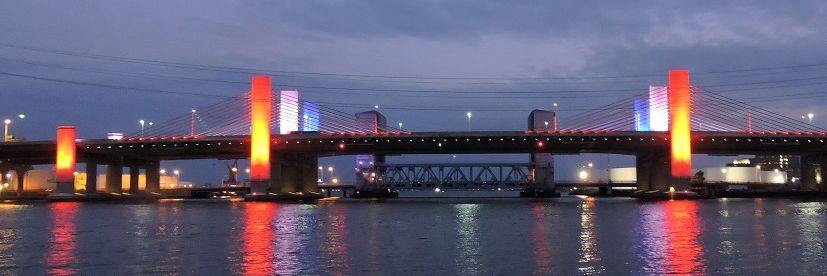
The federal Bureau of Ocean Energy Management issued a stop work order on August 22, 2025, halting construction of the Revolution Wind project, which was 80% complete with all offshore foundations installed and 45 of 65 wind turbines in place. The $4 billion offshore wind farm was designed to power over 350,000 homes and was slated for completion by end of 2026. Connecticut and Rhode Island have filed lawsuits to overturn the order, citing national security concerns without identified legal violations.
The Trump administration has begun taking credit for various infrastructure improvements and projects that were actually funded through legislation passed during the Biden presidency, including initiatives that Trump previously opposed. The practice raises questions about transparency in federal project attribution and public understanding of funding sources for major infrastructure developments.
A former Konica Minolta office building in Windsor, Connecticut has been sold for $2.7 million to developers planning to convert the property into approximately 300 residential housing units. The redevelopment project represents a significant conversion of commercial office space to address Connecticut's housing needs, following trends of adaptive reuse in the post-pandemic commercial real estate market.
PosiGen, a Louisiana-based solar energy company specializing in leasing panels to low and moderate-income residents, laid off 78 workers from its Connecticut offices in Danbury, Shelton, and Wethersfield on August 24, 2025. The company cited financing difficulties worsened by the Trump administration's tax package ending federal renewable energy tax credits by end of 2025. Only 8 employees remain in Connecticut as the company seeks additional funding.
New Haven officials have approved a development plan to convert vacant lots on Starr Street into new housing units. The project aims to address urban blight by transforming underutilized vacant land into residential development, contributing to the city's housing stock while revitalizing the neighborhood. The approval represents part of New Haven's broader strategy to increase affordable housing options and improve community development.
Local authorities have approved plans to convert a Residence Inn extended-stay hotel in Shelton, Connecticut into 96 apartment units. The adaptive reuse project reflects ongoing efforts to address housing shortages by repurposing existing commercial hospitality properties into residential units. The conversion is part of broader trends in Connecticut to increase housing supply through creative redevelopment of underutilized commercial properties.
Meta faces challenges balancing rapid AI infrastructure expansion with sustainability commitments, as massive data center construction increases energy demands while the company pursues carbon neutrality goals. The expansion creates significant opportunities for electrical contractors and IBEW members in data center construction, renewable energy integration, and advanced electrical systems installation. Source: ppc.land
Analysis examining how artificial intelligence systems, despite their high energy consumption for data centers and processing, may ultimately lead to net energy savings through optimization of electrical grids, smart building systems, and industrial processes. The implications for electrical workers include both challenges from automation and opportunities in deploying AI-enhanced electrical infrastructure and smart grid technologies. Source: ft.com
Comprehensive overview of artificial intelligence's environmental impact, including energy demands of data centers and potential climate benefits through optimized electrical systems and renewable energy integration. The analysis covers implications for electrical infrastructure development and the role of skilled electrical workers in building sustainable AI systems while addressing climate concerns. Source: yaleclimateconnections.org
IBEW Local 1 celebrates the graduation of its 2025 apprentice class, marking the completion of comprehensive electrical training programs that prepare new journeymen for careers in the electrical industry. The graduation represents continued investment in workforce development and the next generation of skilled electrical workers, ensuring strong union membership and expertise for future electrical construction and maintenance projects. Source: labortribune.com