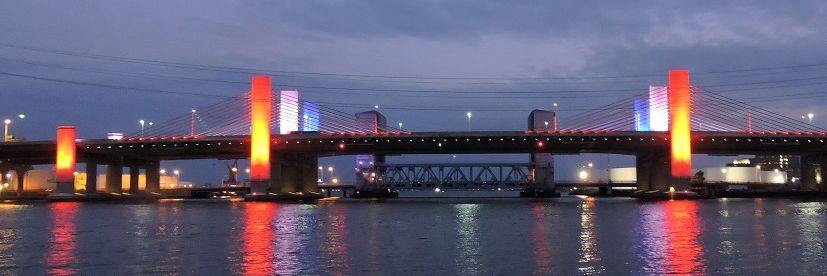
The Hartford Land Bank is embarking on a new phase by undertaking new construction projects rather than exclusively focusing on rehabilitation of existing properties. This strategic expansion represents a significant shift in the land bank's approach to addressing Hartford's housing and development needs, creating additional opportunities for construction contractors and building trades. The new construction initiative demonstrates the land bank's evolving role in urban redevelopment and its commitment to comprehensive neighborhood revitalization through diverse development strategies. Source: ctnewsjunkie.com
New Haven is preparing to issue Requests for Proposals for two former school buildings transferred from New Haven Public Schools to city ownership, including the former West Rock STREAM Academy and a Fair Haven Heights property at 311 Valley Street. Mayor Justin Elicker expressed optimism about receiving responses that will satisfy community needs while the school district expects to save approximately $74,000 annually in utility and maintenance costs. The RFPs represent redevelopment opportunities that could transform vacant educational facilities into community assets through adaptive reuse projects. Source: newhavenindependent.org
Governor Ned Lamont announced a $50.5 million state investment in downtown New Haven's Innovation District to boost the life sciences industry and position the city as a national hub for quantum technologies. The investment includes $32 million in public infrastructure improvements and $17.2 million for a third lab-office building at 101 College Street to be built atop the never-completed Route 34 connector. The funding also supports a $1.3 million New Haven Innovation Center and infrastructure to facilitate development of the former Coliseum site, creating substantial construction opportunities and cementing New Haven's reputation in cutting-edge research and innovation. Source: newhavenindependent.org
Electrical Workers Without Borders North America (EWWBNA) is mobilizing IBEW volunteers for humanitarian electrical work, including the "Light Up Navajo" project bringing electricity to approximately 15,000 families living without grid connections on the Navajo Nation. The organization harnesses the skills and goodwill of electrical professionals by fielding volunteers on social-impact projects in disadvantaged communities, helping them adopt renewable energy systems and obtain training to maintain them. IBEW members from Local 3, 611, and other locals are volunteering their expertise under the direction of the Navajo Tribal Utility Authority. Source: ibew.org
Analysis of employment opportunities created by data center construction boom, with Maryland serving as a key example of job creation in the expanding industry. Research shows that data center construction creates one job for every 275 square feet built, with a typical 800,000 square foot facility supporting 5,000 direct and indirect jobs and generating $775 million in economic activity during construction. The boom creates substantial opportunities for electrical contractors, technicians, and IBEW members in specialized data center electrical work, power systems, and infrastructure development. Source: technical.ly
Regional counties are working together on initiatives to develop climate-resilient building standards and construction practices that can withstand extreme weather events and environmental challenges. The collaborative effort focuses on updated building codes, energy-efficient electrical systems, and sustainable construction methods that create opportunities for skilled electrical workers in green building technologies. The partnership represents growing demand for specialized electrical work in renewable energy integration, smart building systems, and climate adaptation infrastructure across the region. Source: kcemployees.com
The United Nations Climate Summit is building momentum toward the COP30 climate conference, with increased focus on global infrastructure investments and renewable energy development that will create significant opportunities for electrical workers worldwide. The summit discussions include massive green infrastructure projects, electrical grid modernization, and renewable energy installations that align with IBEW members' expertise in power systems, solar installation, wind energy, and smart grid technologies. The global climate commitments represent unprecedented demand for skilled electrical labor in the transition to clean energy systems. Source: wmo.int
Cable company employees have successfully organized and joined the International Brotherhood of Electrical Workers, expanding union representation in the telecommunications and cable industry. The organizing victory demonstrates growing momentum for IBEW membership among workers in related electrical and communications fields, providing these workers with union representation, collective bargaining rights, and access to IBEW training programs. The addition strengthens IBEW's presence in the expanding telecommunications sector and provides new members with the benefits of union solidarity and professional development opportunities. Source: midhudsonnews.com
Governor Ned Lamont announced he is working "very closely" with the Trump administration on several aspects of energy policy following a federal judge's ruling that allowed the Revolution Wind project to resume construction. The $6 billion offshore wind project, which is 80% complete with over 1,200 workers involved, was halted by federal order in August but can now continue. Lamont indicated that ongoing talks with federal officials could ease the path forward for both renewable and fossil fuel energy projects in Connecticut and the broader New England region. Source: hartfordbusiness.com
Analysis examining the limitations of the Revolution Wind offshore project as a solution to Connecticut's energy challenges, despite its resumption of construction. While the 65-turbine, 700-megawatt project will provide significant clean energy to Connecticut and Rhode Island homes, experts caution that it represents just one piece of the state's broader energy transition puzzle. The piece explores the need for comprehensive energy infrastructure development beyond offshore wind to meet long-term renewable energy goals and grid reliability requirements. Source: ctmirror.org